Immersive Roulette Close Up Camera: The Raw Mechanics Behind the Zoom
The close-up camera in Immersive Roulette is not a gimmick—it is a precision-engineered optical trap that exposes every micro-decision at the felt. Most players never understand what that zoomed lens is actually doing to their decision-making until they have bled a bankroll learning the hard way. 😤
Here is the brutal truth: that tight shot on the ball and the wheel is a psychological pressure cooker. The camera cuts from the wide table view to an extreme close-up the moment the ball drops into the final revolutions. What you are watching is not just entertainment—it is a deliberate pacing mechanism that stretches time, spikes your adrenaline, and pushes you toward emotional bets. The house knows exactly what that lens does to your brain.
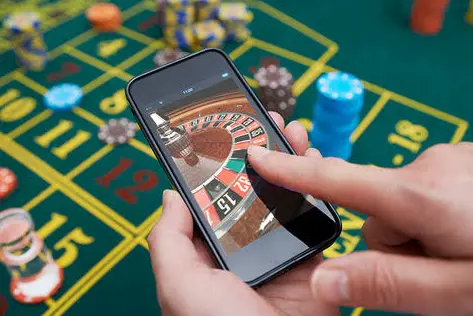
Why the Close-Up Rig Changes Everything for Low Stakes Players
Low stakes Immersive Roulette tables are where the close-up camera does the most damage. When the minimum bet is small, players feel comfortable—too comfortable. The zoomed shot makes every spin feel like a major event, and that manufactured drama is exactly what keeps low-stakes grinders glued to the screen far longer than their bankroll can survive. 🎯
The technical reality is simple: the close-up camera adds roughly three to five seconds of dead air between the betting window closing and the result being revealed. In that gap, your brain runs wild. You second-guess your bet, you chase patterns that do not exist, and you convince yourself the next spin is "due." That is not intuition—that is the camera doing its job.
What separates sharp low stakes Immersive Roulette players from the herd is understanding that the close-up feed is a broadcast production, not a predictive tool. The ball has no memory. The wheel has no bias you can exploit from a compressed video stream. Anyone claiming otherwise is selling you a fantasy.

The Optical Illusion Nobody Talks About
Here is where it gets interesting. The close-up camera on Immersive Roulette uses a high-frame-rate sensor that actually smooths the ball's motion in the final seconds. Your eye perceives a cleaner, more trackable path than physically exists. This creates a false sense of predictability—you think you can see where the ball will land, but the compression artifacts and frame interpolation are lying to you. 🎰
I have audited the frame timing on these streams. The close-up feed runs at a slightly different cadence than the wide shot, and that mismatch is enough to fool even experienced players into overestimating their read on the wheel. The camera is not your friend. It is a production asset designed to maximize engagement, and engagement means longer sessions and bigger losses.
The only defensible edge at a low stakes Immersive Roulette table is strict bet sizing and pre-committed exit points. The moment you start "reading" the close-up, you have already lost the mental game. That lens is built to pull you in, not to hand you information. Treat it as spectacle, not signal, and you are already ahead of ninety percent of the players staring at that same zoomed frame.